CBSE vs. Other Curriculam: What Every Parent Should Know Before Choosing a School
One of the first — and most important — decisions you’ll make as a parent is choosing the right school for your child. And these days, that choice comes with a lot of questions.
Should I choose CBSE or a state board? What about IGCSE or IB? Which curriculum actually prepares my child for the future?
It can feel overwhelming. So let’s break it down clearly and honestly, so you can make the best decision for your family.
A Quick Overview of the Main Curriculam in India
CBSE (Central Board of Secondary Education) One of India’s largest and most recognized educational boards, CBSE is known for its structured, concept-based curriculum that builds strong academic foundations. It’s aligned with national-level competitive exams like JEE and NEET, and is accepted by schools and universities across India — making it an excellent choice for families who may relocate.
State Boards (e.g., Telangana Board) State boards follow regional syllabi and are well-suited for children who will primarily remain in a specific state for their schooling. They can vary in rigor and teaching quality, but some states have made significant improvements in recent years.
ICSE (Indian Certificate of Secondary Education) ICSE is known for its comprehensive syllabus and emphasis on English language skills and analytical thinking. It’s often considered more detailed than CBSE, though also more demanding in terms of volume.
IGCSE / IB (International Curriculam) These international frameworks are globally recognized and tend to focus heavily on inquiry-based, conceptual learning. They are typically offered in premium private schools and involve higher fee structures.
Why CBSE Remains the Top Choice for Most Indian Families
Despite the many options available, CBSE continues to be the most widely chosen curriculum in India — and for good reason.
1. National Recognition and Portability CBSE certificates are recognized by every university and school board across India. If your family moves cities or states, your child’s academic journey faces no disruption. This portability is a significant advantage.
2. Strong, Structured Academic Foundation The CBSE curriculum is carefully designed to build concepts step by step. Rather than overwhelming children with excessive content, it focuses on depth and clarity — helping children truly understand what they’re learning, not just cover syllabus.
3. Alignment with Competitive Exams For families who want their children to prepare for JEE, NEET, UPSC, or other national competitive exams down the line, CBSE’s curriculum structure is the most aligned. Starting early in a CBSE school means children grow up with the right foundations.
4. Balanced Academics and Co-Curricular Focus Modern CBSE schools have evolved significantly. The best CBSE schools today blend structured academics with sports, arts, life skills, and technology — giving children a well-rounded education rather than just exam preparation.
5. Affordability Across a Range of Schools CBSE schools exist across different fee structures, from affordable neighbourhood schools to premium campuses. This makes quality CBSE education accessible to a wider range of families.
What to Look for in a Good CBSE School
Choosing CBSE is just the first step — the quality of the school matters just as much. Here’s what truly differentiates an excellent CBSE school from an average one:
- Child-First Teaching Philosophy: Does the school treat every child as an individual, or is it a one-size-fits-all approach?
- Qualified, Caring Teachers: Experienced educators who are genuinely invested in each child’s growth make all the difference.
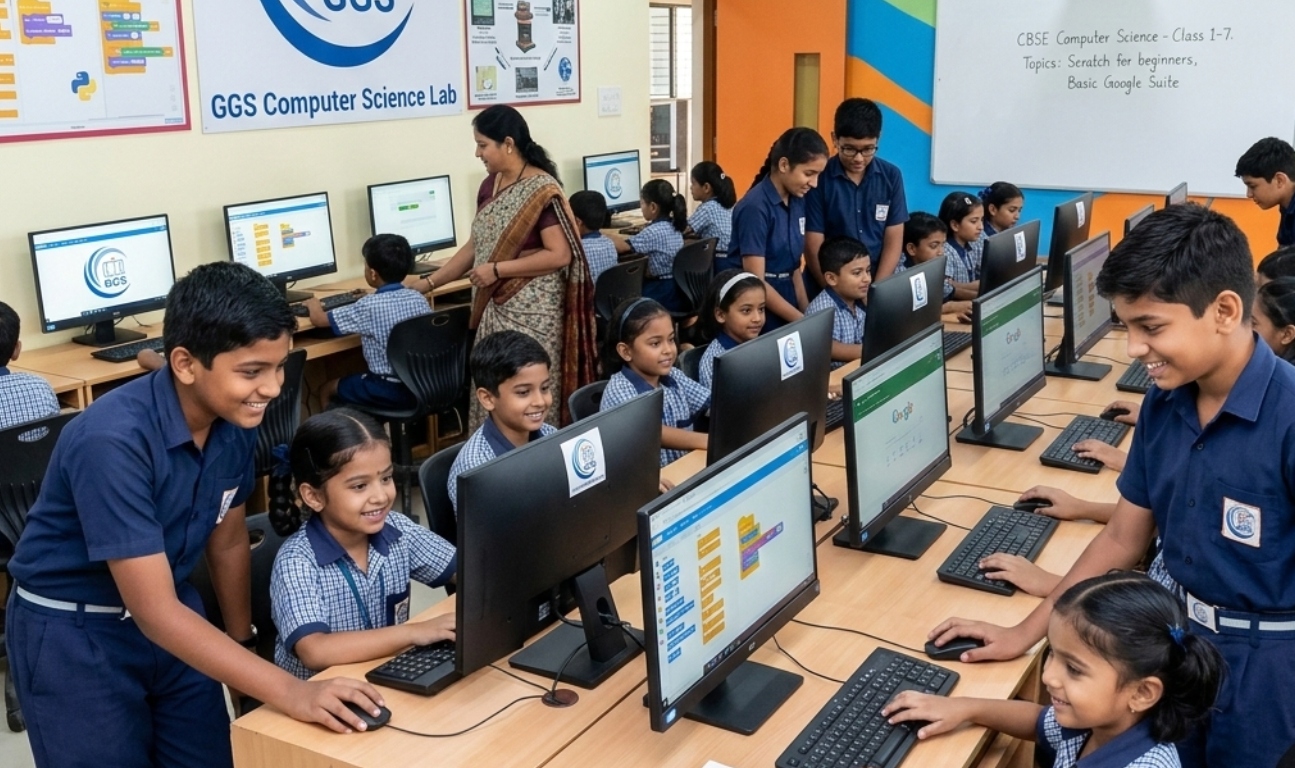
- Activity-Based and Smart Learning: The best CBSE schools today complement textbooks with interactive learning, smart classrooms, and hands-on projects.
- Communication Skills Focus: Spoken English, confident expression, and presentation skills are essential for the modern world.
- Regular Parent Involvement: Schools that keep parents informed and engaged create better outcomes for children.
- Holistic Development: Look for schools that invest in sports, arts, culture, and character-building alongside academics.
How Gowtham Global School Approaches the CBSE Curriculum
At Gowtham Global School, we’ve built our approach to CBSE around one belief: that every child deserves to understand — not just memorize.
Our curriculum is CBSE-aligned from Nursery to Grade VII, but it goes beyond standard textbook delivery. We use micro-planned lessons, concept reviews, activity-based learning, and smart classrooms to make learning meaningful. We integrate spoken English and handwriting improvement into everyday teaching, and we balance academics with sports, arts, and cultural programs.
Most importantly, our teachers create an environment where children feel safe to ask questions, make mistakes, and grow — at their own pace, with full support.
